
Community
Sponsored: SF-Marin Food Bank, Amazon partner to bulk up home delivery program
By Marcus Chen
Advertisement · Why this ad?
Katherine oversees editorial operations across all six brands. Before joining The Meridan Group, she spent 14 years at the Minneapolis Star Tribune, where she led the metro desk through its digital transformation. She holds a Master's in Journalism from Northwestern's Medill School.
More from Katherine →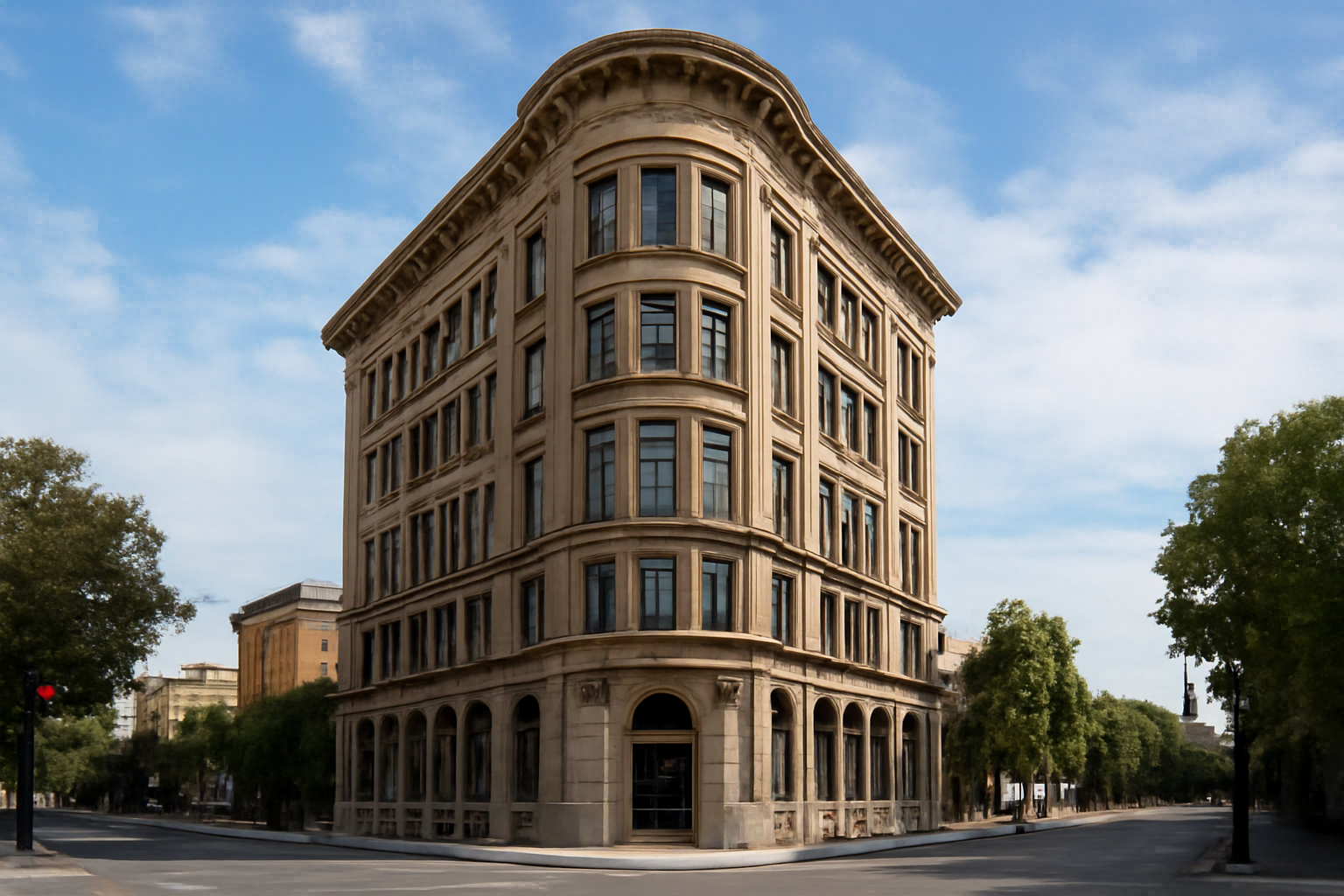
On a bustling afternoon in downtown San Francisco, the iconic Phelan Building stands as a testament to the city's rich architectural history. Its flatiron shape, a beacon of the early 20th century, has long captivated the attention of both locals and tourists alike. However, the building's future has recently become uncertain, as the real estate moguls who own this historic structure have ceased making payments on their loan, slipping the property into default.
The Phelan Building, an emblematic feature of Market Street, has been a centerpiece of commerce and culture since its completion in 1908. Recently, the owners, a group of prominent real estate investors, announced they would no longer be servicing the debt associated with the property. This decision has raised alarms regarding the building's future and the potential implications for the surrounding community.
The owners' financial struggles come amid broader economic challenges that have impacted many commercial properties in urban areas. With rising interest rates and a shift in consumer behavior towards online shopping, many brick-and-mortar establishments are feeling the strain. The Phelan Building, which houses a mix of retail and office spaces, is not immune to these trends.
As of last week, the loan default was officially recorded, marking a significant moment in the building's long history. The loan, amounting to approximately $20 million, was originally taken out to finance renovations and maintain the property. However, the inability to meet these financial obligations has left many wondering about the next steps for this iconic structure.
The news of the Phelan Building's default has sent ripples through the local community. Residents and business owners alike have expressed concern over the potential consequences of this financial misstep. For many, the building is more than just a piece of real estate; it is a symbol of the city’s resilience and a reminder of its storied past.
Local business owner Maria Gonzalez, who operates a cafe in the building, shared her thoughts: "This place has been a part of my life for over a decade. I worry about what this means for my business and for the people who come here every day. We need to support each other, especially in tough times like these." Gonzalez's sentiments reflect a broader anxiety among local entrepreneurs who rely on foot traffic generated by the Phelan Building.
In addition to business owners, long-time residents have voiced their concerns about the future of the Phelan Building. Many remember visiting the building as children, exploring its unique architecture and vibrant shops. For them, it represents a link to their past and a cherished part of their community identity. Local resident and historian, Thomas Nguyen, remarked, "The Phelan Building is not just a building; it’s part of our collective memory. Losing it would mean losing a piece of ourselves."
The Phelan Building isn’t just an architectural gem; it has played a pivotal role in the community for over a century. Originally built as a department store, it has witnessed the evolution of San Francisco from a gold rush town to a modern metropolis. Its historical significance is underscored by its designation as a San Francisco Landmark, which protects it from demolition and encourages preservation efforts.
Community leaders are advocating for a plan to revitalize the building, emphasizing its importance in maintaining the cultural fabric of the area. "We cannot afford to lose such an important part of our history," said John Lee, a member of the San Francisco Historical Society. "The Phelan Building is a reminder of our roots and a crucial part of our identity as a city." Lee's organization has already begun mobilizing support, planning community meetings to discuss strategies for preservation and potential partnerships with local developers.
As the Phelan Building enters this uncertain phase, questions loom about its future. Will the owners attempt to renegotiate their loan, or will they seek a buyer willing to invest in its restoration? Real estate experts suggest that the building's unique architecture and historical status may attract interest from developers focused on preserving its legacy while modernizing its offerings.
In the meantime, the community is rallying around the building, with local organizations planning events to raise awareness about its plight. Initiatives such as fundraisers and public forums are being organized to discuss potential solutions and gather support from residents and stakeholders. A community rally is scheduled for next month, with hopes of drawing attention not just to the Phelan Building but to the importance of preserving local history across San Francisco.
Moreover, there is a growing movement to engage local artists in reimagining the space. Initiatives are being proposed to transform parts of the building into art galleries or performance spaces, which could breathe new life into the property while honoring its historical roots. Local artist and activist, Jenna Ramos, stated, "This building has so much potential. If we can come together to re-envision it as a community hub, we can turn this situation around and create something beautiful that honors our past while looking to the future."
The situation surrounding the Phelan Building highlights a broader issue facing many urban centers: the balance between development and preservation. As cities evolve, it is crucial to maintain spaces that reflect the values and history of the community. The Phelan Building serves as a reminder of the importance of strong, stable neighborhoods built on commitment to preserving heritage and fostering community ties.
Many residents believe that the challenges faced by the Phelan Building can serve as a catalyst for positive change. By uniting to support the preservation of this historic site, the community can reinforce its commitment to family values and the American dream of a thriving, interconnected neighborhood. Local advocacy groups are already drafting proposals to present to city officials, urging for incentives to attract buyers who prioritize preservation over profit.
The Phelan Building stands at a crossroads, its future uncertain but its significance undeniable. As the owners grapple with financial difficulties, the community's response will play a critical role in determining the building's fate. With a shared commitment to preserving its history and supporting local businesses, residents have the opportunity to turn this challenge into a chance for revitalization and renewed purpose. The Phelan Building is more than just a structure; it is a symbol of a community that values its past while looking toward a hopeful future.
By Marcus Chen

By Marcus Chen

By Marcus Chen

By Marcus Chen