
Community
WATCH LIVE: Steve Hilton speaks
By Marcus Chen
Advertisement · Why this ad?
Katherine oversees editorial operations across all six brands. Before joining The Meridan Group, she spent 14 years at the Minneapolis Star Tribune, where she led the metro desk through its digital transformation. She holds a Master's in Journalism from Northwestern's Medill School.
More from Katherine →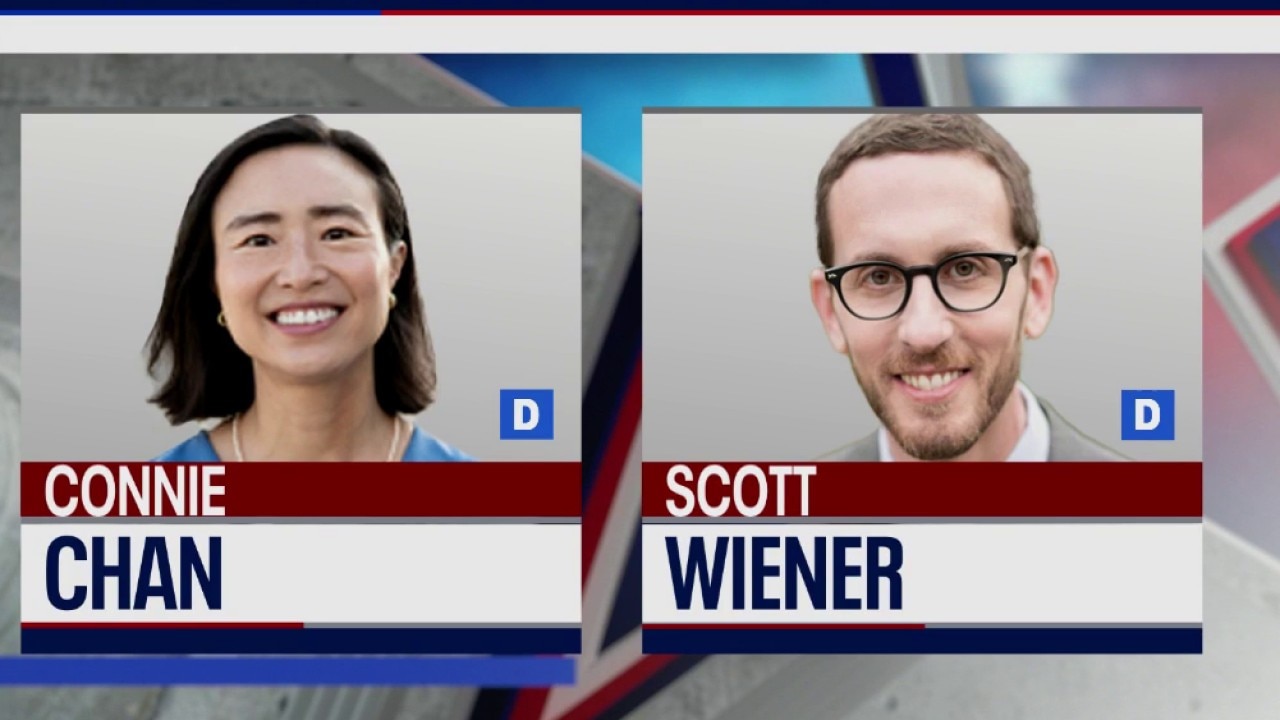
As the sun sets over the San Francisco skyline, the weight of history hangs in the air, signaling a pivotal moment for California's 11th Congressional District. Residents are grappling with the reality that after nearly four decades, Nancy Pelosi will no longer represent them in Congress. This transition, marked by her retirement, opens the door for new leadership, and two prominent candidates are stepping into the spotlight: San Francisco Supervisor Connie Chan and state Senator Scott Wiener. Both are vying to carry forward the legacy of a figure who has become synonymous with California politics.
Nancy Pelosi announced her retirement earlier this year, leaving behind a storied career that has shaped not just California, but the entire nation. Her departure from Congress marks the end of an era, as she was the first woman to serve as Speaker of the House and a key architect of significant legislation over the past four decades. This shift has generated a wave of interest and speculation about who will fill her shoes in a district that has seen considerable political and social change.
Connie Chan, a member of the San Francisco Board of Supervisors, has positioned herself as a candidate who understands the needs of her constituents. With a background in community organizing and a focus on housing, public health, and climate change, Chan aims to bring fresh perspectives to the role. In her campaign, she emphasizes the importance of grassroots movements and community engagement, promising to prioritize the voices of those often overlooked in political discourse.
On the other hand, Scott Wiener, who has served in the California State Senate since 2016, brings a wealth of legislative experience to the race. Known for his progressive stances on housing, LGBTQ+ rights, and criminal justice reform, Wiener has established himself as a formidable force in California politics. His campaign touts a vision for a more equitable society, aiming to address systemic issues that affect the most vulnerable populations in the district.
The announcement of Pelosi's retirement has sparked a mixture of emotions among constituents. Many are reflecting on her decades of service and the impact she has had on their lives. "Nancy has been a beacon of hope and leadership for us all," said longtime resident and community activist Maria Gonzalez. "It's hard to imagine our district without her. But I also believe it's time for new voices to emerge, voices that can connect with the younger generation and address their concerns."
This sentiment is echoed by others who see the upcoming election as an opportunity for change. Local business owner James Liu expressed his support for Chan, stating, "Her approach to local issues resonates with me. She understands the challenges we face in our community, especially regarding housing and small business support." Liu, who runs a popular restaurant in the Mission District, emphasized how rising rents and gentrification have made it increasingly difficult for small businesses to thrive.
Conversely, supporters of Scott Wiener highlight his legislative accomplishments and experience in tackling complex issues. "Scott has been a champion for progressive causes in the state, and I trust he will bring that same energy to Congress," said tech entrepreneur Lisa Tran. "We need someone who can navigate the intricacies of federal legislation and fight for us on a national level." Tran, who has been involved in various tech startups, noted that Wiener's focus on affordable housing aligns with her concerns about the tech industry's impact on local communities.
As the race heats up, both candidates are employing distinct strategies to engage voters and secure their place in the upcoming primary. Chan's campaign is heavily focused on grassroots organizing, utilizing social media platforms to connect with younger voters and mobilize supporters. Her team has been actively participating in community events, town halls, and local forums to ensure that her message resonates with the electorate. Chan's focus on environmental sustainability has also found favor with younger voters, as she advocates for policies that prioritize green energy and climate resilience.
In contrast, Wiener's campaign is leveraging his extensive network and experience in state politics. His strategy includes highlighting his legislative achievements and building coalitions with advocacy groups that align with his progressive platform. By focusing on issues such as climate change, housing affordability, and social justice, Wiener aims to galvanize support from a broad spectrum of voters. His efforts to engage with LGBTQ+ community members, particularly in light of recent attacks on rights, have also been a key part of his outreach strategy.
Fundraising will play a crucial role in determining the success of both campaigns. As of now, Chan has reported raising over $500,000, a testament to her grassroots support and community engagement. Meanwhile, Wiener has also shown strong fundraising capabilities, with contributions exceeding $600,000, reflecting his established presence in California politics. The ability to effectively fundraise will be pivotal as both candidates prepare for the primary election scheduled for March 2024. Both candidates are also utilizing innovative fundraising techniques, such as virtual town halls and online donation drives, to reach a wider audience.
The stakes are high in this race, not only for the candidates but for the constituents of California's 11th Congressional District. As the election approaches, voters will have the opportunity to weigh the candidates' platforms, experiences, and visions for the future. With issues such as housing affordability, healthcare access, and climate change at the forefront of many residents' minds, the next representative will need to be equipped to address these challenges head-on. This election represents a critical juncture for the district, which has seen significant demographic shifts and an influx of new residents over the past decade.
The implications of this election extend beyond the immediate political landscape. It will also reflect the values and priorities of a diverse constituency that includes long-time residents, young professionals, and marginalized communities. As families look to the future, they seek leaders who will champion their interests and work tirelessly for the betterment of their community.
As we move closer to the election, community engagement will be critical. Voter turnout will play a significant role in determining who will represent the district in Congress. Both Chan and Wiener are aware of this and are actively encouraging residents to participate in the democratic process, reminding them that their voices matter. Local organizations are also mobilizing efforts to ensure that underrepresented groups, including communities of color and low-income residents, are informed and engaged in the electoral process.
In a district that has seen significant transformation over the years, the upcoming election will not only determine the future of representation but also reflect the values and priorities of its residents. With the legacy of Nancy Pelosi looming large, the new representative will face the challenge of meeting the expectations set by her long tenure while also addressing the evolving needs of the community. As the race unfolds, the candidates will need to articulate clear, actionable plans that resonate with voters and inspire them to turn out at the polls.
By Marcus Chen
By Katherine Langford

By Katherine Langford

By Marcus Chen